An elegant Indian wedding story of love, ritual and togetherness
Some events are memorable for their size, some for the feeling they create. Saumya and Rohit’s wedding film had both – a refined setting, carefully styled details and at the core of it: a celebration brought to life by those closest to them.
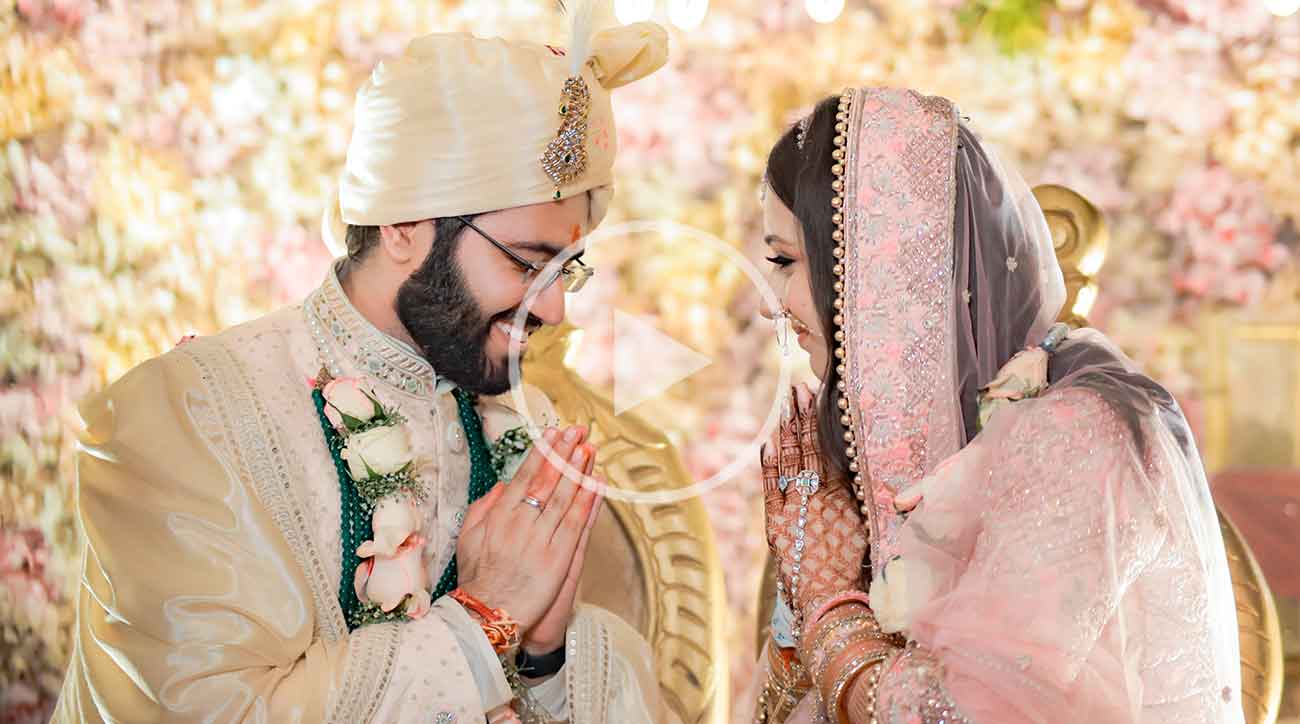
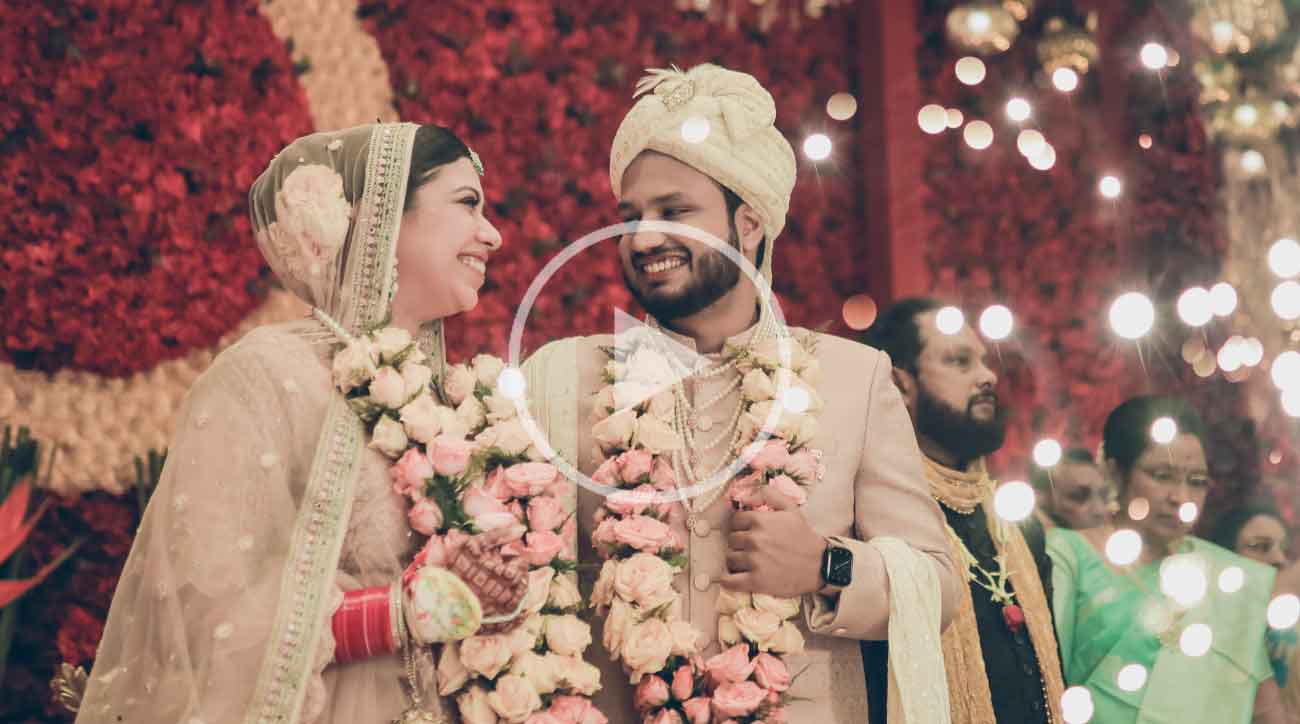
Set at DSOI Dhaula Kuan in New Delhi, the film captures the day through portraits, shared smiles, family celebrations and the rituals that bring two families together. Rohit’s ivory sherwani and layered emerald-toned jewellery, the floral styling around the ceremony, the mandap and the warm golden visual treatment all create a refined visual world. But the film's most enduring moments are its human ones: laughter with loved ones, hushed conversations between the couple, blessings from elders and the collective energy around the varmala.
This wedding film by Upasna Studio Photography does not revolve around a catalogue of poses. It witnesses a true celebration taking place, balancing intimate portraiture with the larger presence of family, tradition and occasion. The result is a cinematic record of the beginning of Saumya and Rohit, elegant to look at, but grounded in real connection.
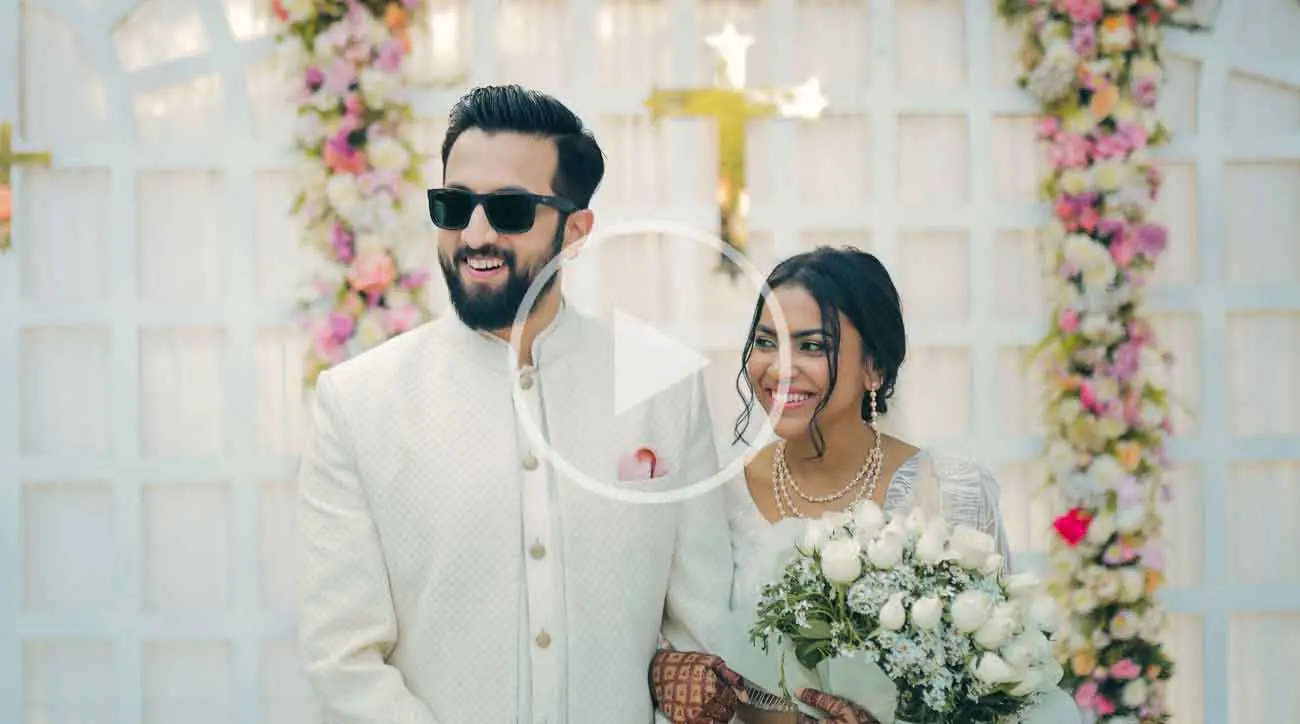
The film starts with the introduction of Rohit in the film. The hero is seen on screen in a white sherwani with emerald jewellery with the floral décor. It is an artificial composition, but an artificiality that does not appear so.
Then it all becomes dynamic. It means the wedding is not just a collection of individual rites. Family and friends come into the picture and become an integral part of the scene. There are dances and sounds of joy, laughter and expectation of some important things. The film has energy in these scenes, not in the still portrait scenes. They also remind the audience that a wedding is not just about two people, but about the entire community surrounding them.
The characters of the film are seen in the rites, talking and smiling together. This plot device is used not much exaggerated in the process of filming. Thus the relationship between the main characters is very realistic. Their love story is not only what happened in their life but also the atmosphere they created.
Saumya & Rohit Wedding at DSOI Dhaula Kuan, New Delhi. The atmosphere of ceremony, the flower arrangements and the space designed specifically for portraits and family pictures all integrate the venue into the story.
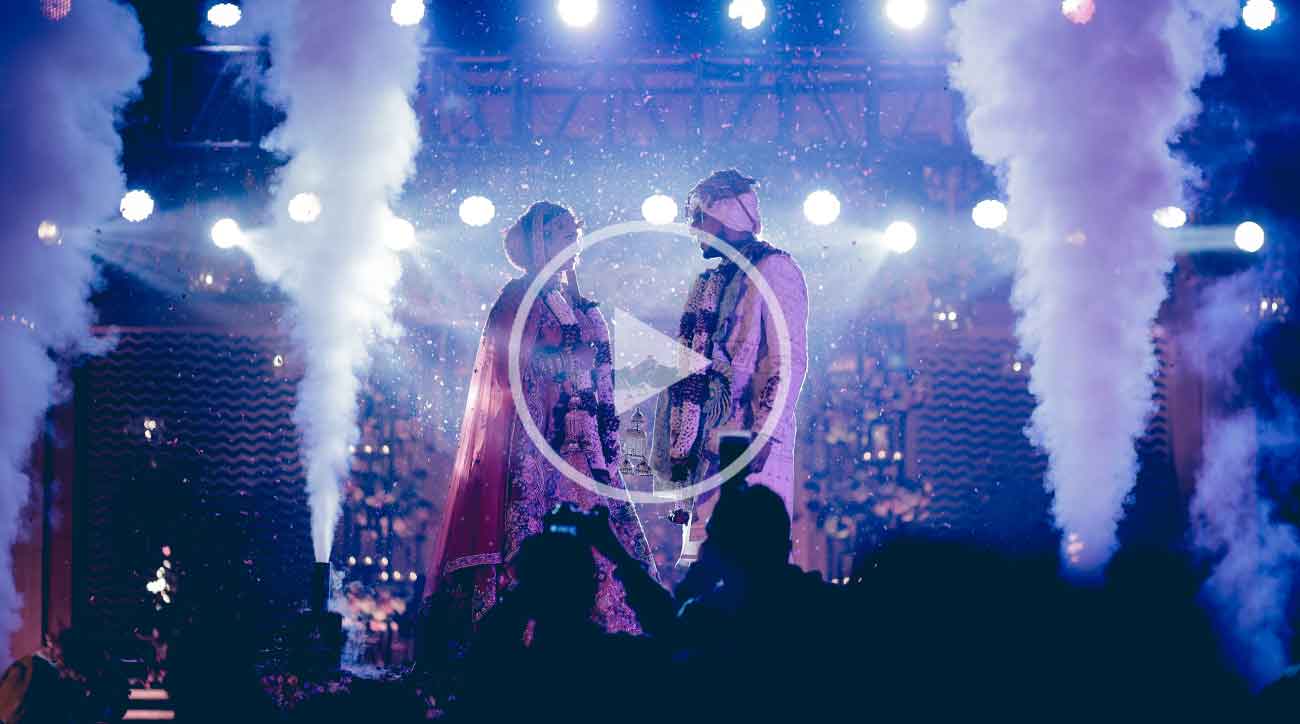
A defining visual element is the mandap. It provides a clear focus for the rituals, and the décor and warm lighting are in harmony with the film’s elegant Indian wedding mood. The cinematography not only uses the venue as a backdrop but also makes use of the styling of the ceremony to frame key moments: the couple together, the gathering of family members, and the exchange of garlands.
Couples planning a Delhi wedding, take note: you don’t need to force a narrative on a venue for the wedding imagery to be strong. The best visual storytelling is when the setting, decor, people and rituals work together. Here DSOI Dhaula Kuan balances that out by giving the celebration a well defined, refined setting while still allowing for candid interaction to tell the story.
The visual identity of the movie is that of celebration and warmth. Throughout the scene, there are flowers used in décor in the entire wedding setting, while a golden hue of light and warm color grade make the atmosphere of the evening luxurious. The elegant contrast is achieved with the help of Rohit’s ivory sherwani and emerald accessories.
Mandap and flowers are especially significant for the movie since they give some decorative vocabulary to the film as a whole, making the ceremony look more coherent; however, the film does not limit itself only to the decor elements. Flowers, light and styling are used only as background to the characters themselves.
That approach is especially effective in luxury wedding cinematography. Details matter, but they become meaningful when they hold memory: an accessory seen during preparations, a floral backdrop behind a portrait, a ceremonial setting surrounded by family. Saumya and Rohit’s film keeps those details connected to emotion, allowing the design of the day to feel lived in rather than merely displayed.
The order of Rohit’s getting ready and posing gives the groom an entire chapter of its own in the movie. The ivory sherwani, jewelled ornaments, and floral background give this chapter a sense of formality, but his facial expressions add a personal touch to the images. It is all about building a connection and setting up expectations.
Groom portraits are often best when they have personality. The camera in this film is keenly aware of Rohit’s dress and presence, making a strong visual entry while keeping the focus on the occasion ahead. Jewellery, fabric and floral surroundings are not distractions to the portrait, but are treated as details that complete it.
The presence of family and friends around the larger celebration is also the context for these moments. A wedding morning is never by itself, even when the portrait sequence seems silent on screen. The film moves between individual presence and collective excitement – Rohit’s preparations are the start of a bigger family event.
The film centres Saumya through the moments she shares with Rohit, family members and the ceremony itself. Rather than assigning her a generic bridal narrative, it allows her expressions, interactions and place within the rituals to shape the viewer’s impression. Her presence becomes especially clear in the candid exchanges with Rohit and the varmala sequence, where the couple’s smiles and the reactions around them carry the emotional weight.
It is significant when it comes to documentaries in storytelling about weddings. The story of the bride cannot have any unnecessary background or overly descriptive details because it is there through the actions of the bride in terms of her involvement in the event with all the people around her who give her some sort of private comfort while being among others.
The focus on portraits and reactions in the film allows Saumya to be in the center without pressuring the scene.
The visible ceremony story includes the varmala, wedding rituals, blessings and the gathering of family around Saumya and Rohit. The varmala is one of the film’s clearest emotional peaks. As the couple exchange garlands, their smiles and the enthusiasm of those around them turn a traditional ritual into a shared family memory.
The film also shows the couple seated together during the wedding rituals. These scenes are valuable because they slow the pace. Between larger celebratory moments, the camera finds quieter expressions, brief conversations and the simple closeness of the couple as they move through the ceremony. The result feels observant rather than performative.
The family members and relatives join in the ritual, which emphasizes the significance of blessings and the involvement of the family members. In this case, the movie does not have to explain all the rituals in order to convey the significance of what is going on.
Only the rituals visible in the film are part of this story. The strength of the edit lies in that discipline: it preserves what was actually experienced rather than adding a generic checklist of Indian wedding events.
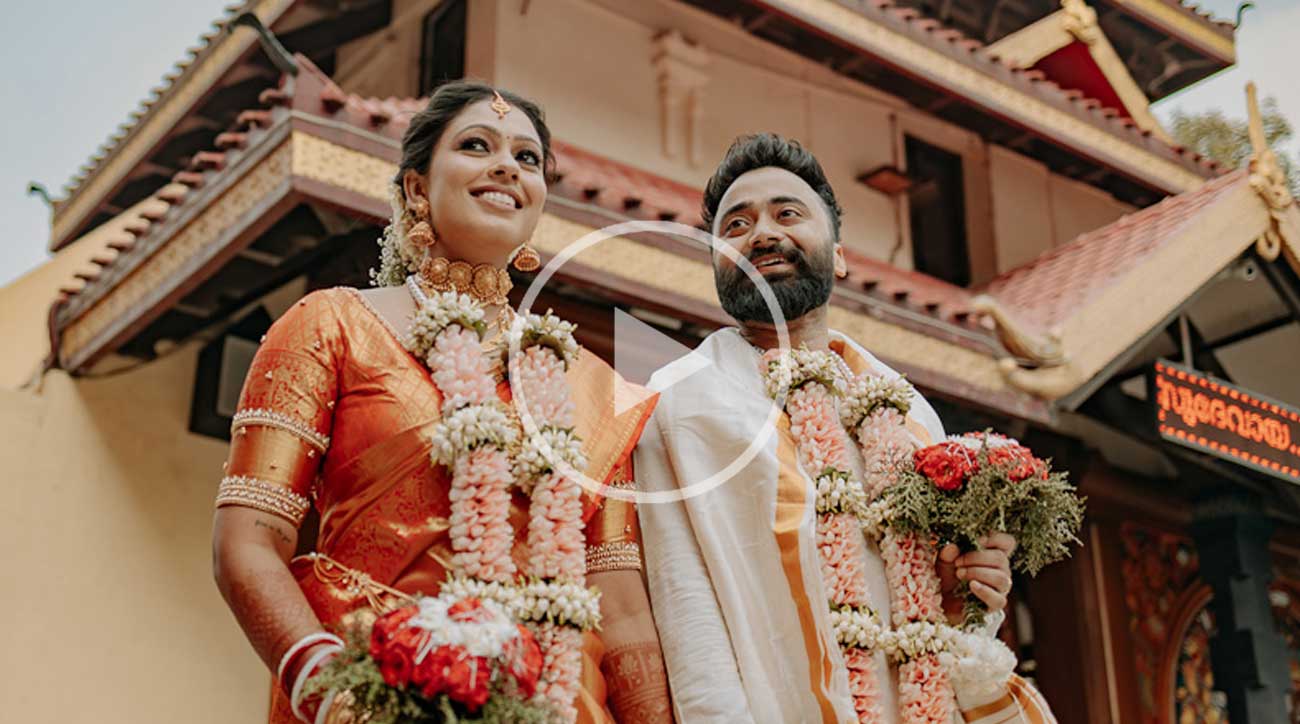
The wedding film feels emotionally complete when it looks beyond the couple. Dancing, warm congratulations, group portraits and candid family reactions are part of the celebrations of Saumya and Rohit. These aren't just supporting shots. This is the stuff that tells you about the scale of affection around the day.
Laughter erupts spontaneously time after time, and the otherwise stiff environment feels quite informal. The couple is surrounded by relatives throughout the ritual, whereas friends and relatives contribute to the creation of the energy needed for the celebrations. The film shifts smoothly from one scene to another, and thus the narrative never gets confined to one perspective.
The end scenes with group photographs and well-wishes are definitely a representation of a coming-of-age. Following the rituals of the ceremony and the fun spirit of the varmala, the film ends with people surrounding the bride and groom. It is certainly an apt ending; not a forced one, but one that symbolizes a sense of solidarity, validation and joyfulness.
This is a great example of why couples getting wedding films should consider candid coverage. Years later it's often the spontaneous smile, the casual hug, the quick response of a loved one that makes a film feel most personal.
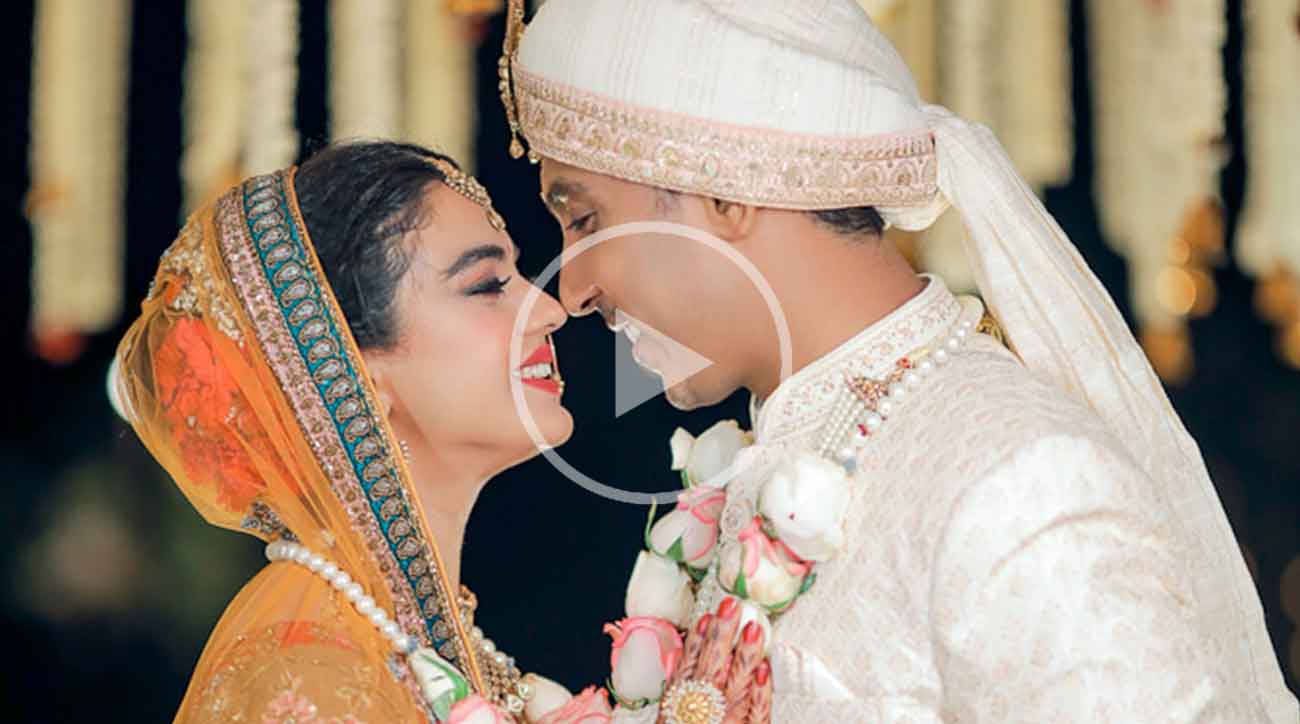
The portraiture in Saumya and Rohit’s wedding film is editorial in its attention to composition, but it remains connected to the day’s real rhythm. Rohit’s groom portraits use the floral backdrop, formal attire and close framing to create a polished opening. Couple moments are then integrated into the ceremony and celebration, allowing the film to retain a sense of continuity.
This combination is crucial for any luxury wedding video. Portraits give a sense of sharpness in visuals and help capture the style of the event. Candid shots introduce warmth and dynamics of personality. If both are done in moderation, none will clash with the other.
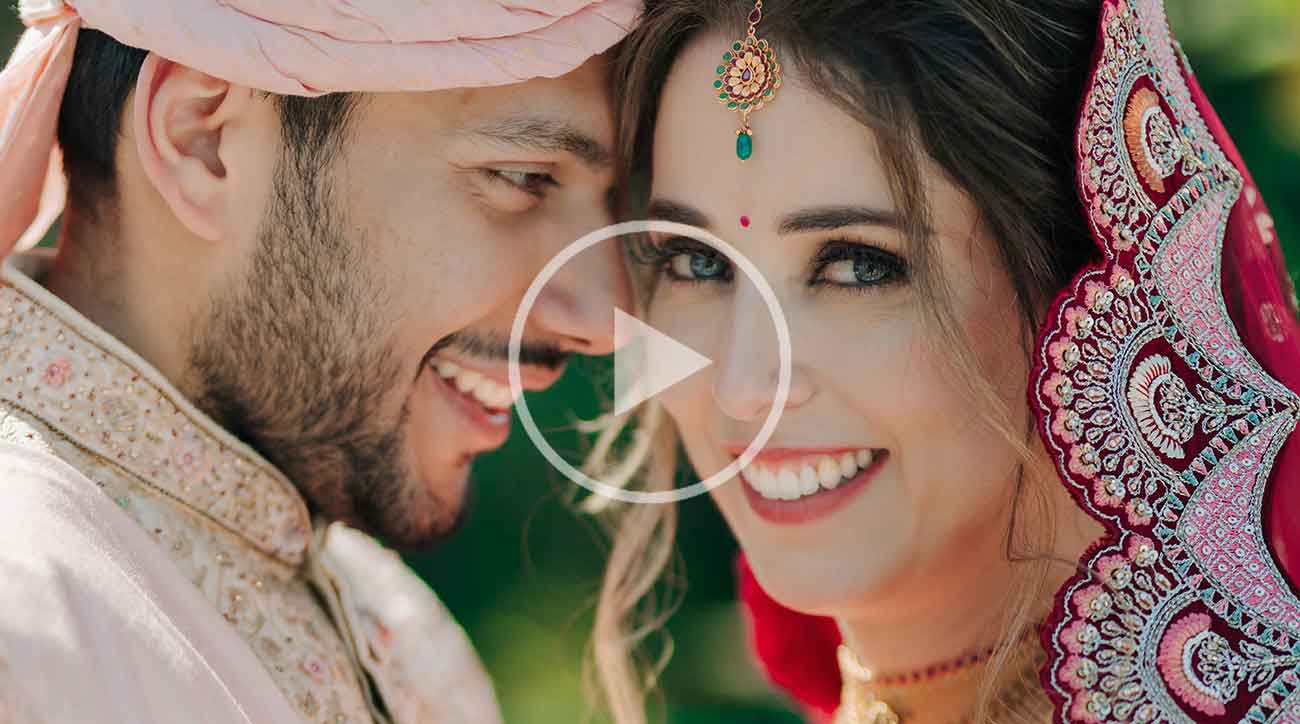
Close-ups used in the film prove to be especially successful as they focus on expressions. Unlike focusing purely on décor and guests in wide shots, the camera goes back to faces – Saumya and Rohit laughing, reactions of family members, participation of loved ones in the ritual.
The film builds its pacing with close portraiture, coverage of ceremonies, group compositions and footage of celebrations. The transition from one of these modes to another makes for a satisfying rhythm: a quiet portrait is succeeded by a burst of dancing or family energy; a wider view of the setting becomes a close-up expression; formal ritual is counterpointed by laughter.
The warmth of the golden grading brings out emotion without taking over the narrative itself. The grading gives the images a sense of completion, allowing the flowers, the light and the dresses to all exist in one world.
The cinematic approach to wedding story telling is not about trying to make every image as dramatic as possible. It is about knowing when to hang on to things, and knowing when to let go. Saumya & Rohit’s film does the former well while not losing sight of the scope of the day.
Saumya and Rohit’s film feels lasting because it is grounded in recognisable human moments. The wedding décor, formal attire and cinematic colour grade give it a refined appearance, but the heart of the story is not dependent on a trend. It is found in the couple’s natural smiles, the exchange of garlands, family blessings, dancing and the closeness of everyone gathered.
The documentary quality of the coverage also contributes to that sense of permanence. Rather than relying entirely on posed images, the film preserves the transitions between moments: anticipation, interaction, ceremony and congratulations. Those details are often what bring viewers back into the atmosphere of a day.
When a couple looks back on their wedding years later, the significance of the film is that it is able to capture the memory of their celebration through both visual and emotional recollection. While it captures the appearance of the event, it captures the movement and presence of the family as well.
The contribution of Upasna Studio Photography to this film can be seen in the balance of styling and observation. The coverage includes groom portraiture, floral decor, the mandap and formal family pictures but still focuses on candid interactions and ceremony reactions.
Balance is key for those who wish their wedding photographs and videography to come across as elegant, but not soulless. The film reveals that thoughtfully constructed images do indeed co-exist with spontaneity of feelings. Portraits may be polished. Celebrations may still be lively. A wedding film may honor visual construction without losing its soul.
Available details of the film do not specify package inclusions, delivery times or technical specifications. These should be discussed directly with the Upasna Studio Photography team during a consultation, based on the couple’s coverage requirements and wedding plans.
The most compelling reason for couples drawn to this movie to ask about it is its visible storytelling approach: cinematic framing, warm editorial finishing, careful attention to wedding details, and candid coverage of family and couple moments.
Upasna Studio Photography provides luxury wedding services, including photography services, videography services, candid wedding photography services, traditional wedding photography services, editorial wedding photography services, destination wedding photography services and luxury wedding films. The consultation helps the couple discuss the mix of candid, traditional, editorial and cinematic photography suitable for their special day.
Every wedding has its own pace, group and visual environment. So the most valuable conversation in planning is very specific – to tell what kind of events you plan, what the venue is, what photography style you want and what kind of memories you wish to keep. And then the company will provide you with an approach that will be perfect for your wedding.
With the Saumya and Rohit celebration reflecting what you consider to be the type of wedding video you appreciate, which is elegant, emotional and based on people, reach out to Upasna Studio Photography and discuss your dates and ideas.
Check out more wedding videos, schedule a discovery call or simply connect with us through WhatsApp to start discussing the photography and videography services for your wedding event.
.webp)