Wedding Film & Cinematography by Upasna Studio Photography
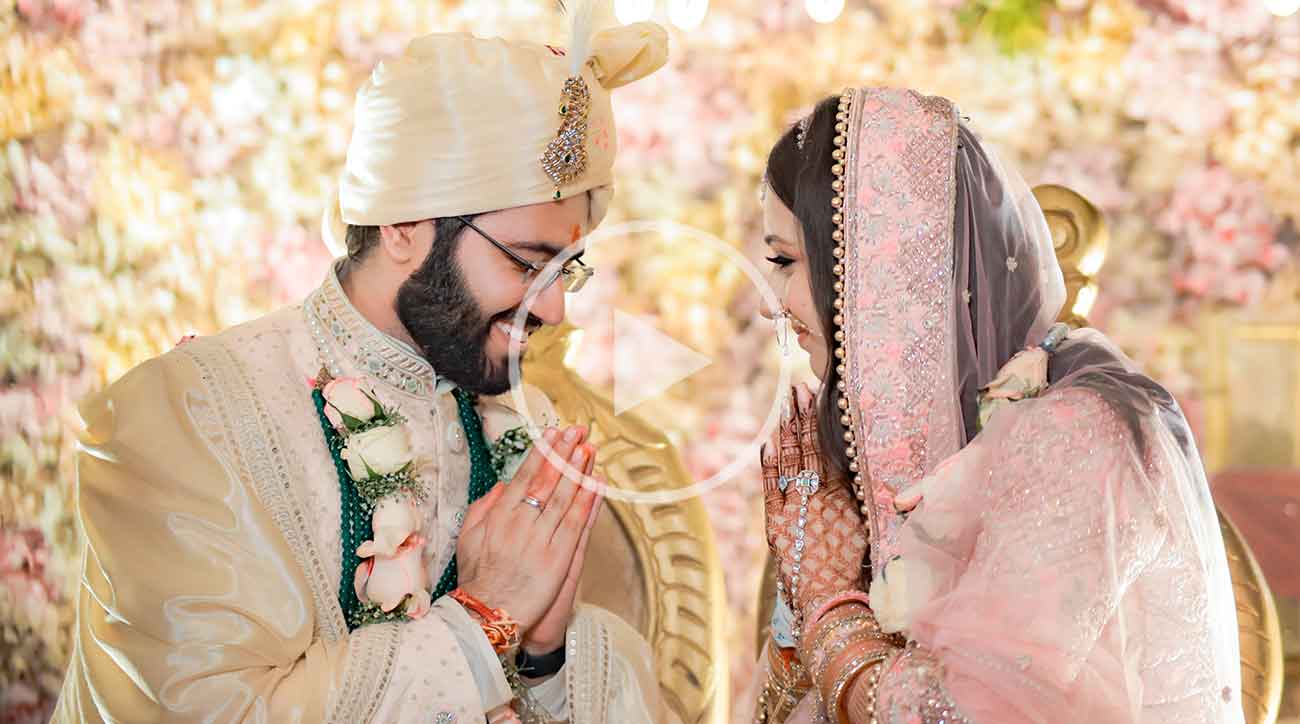
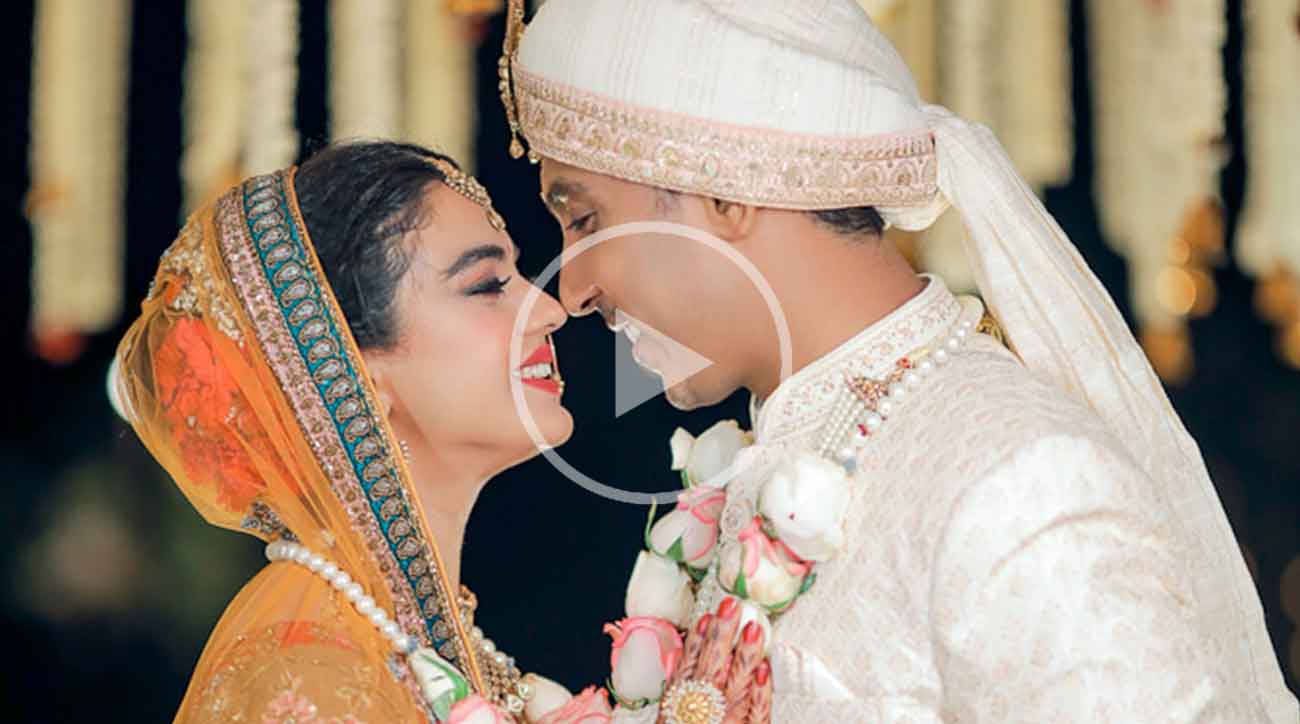
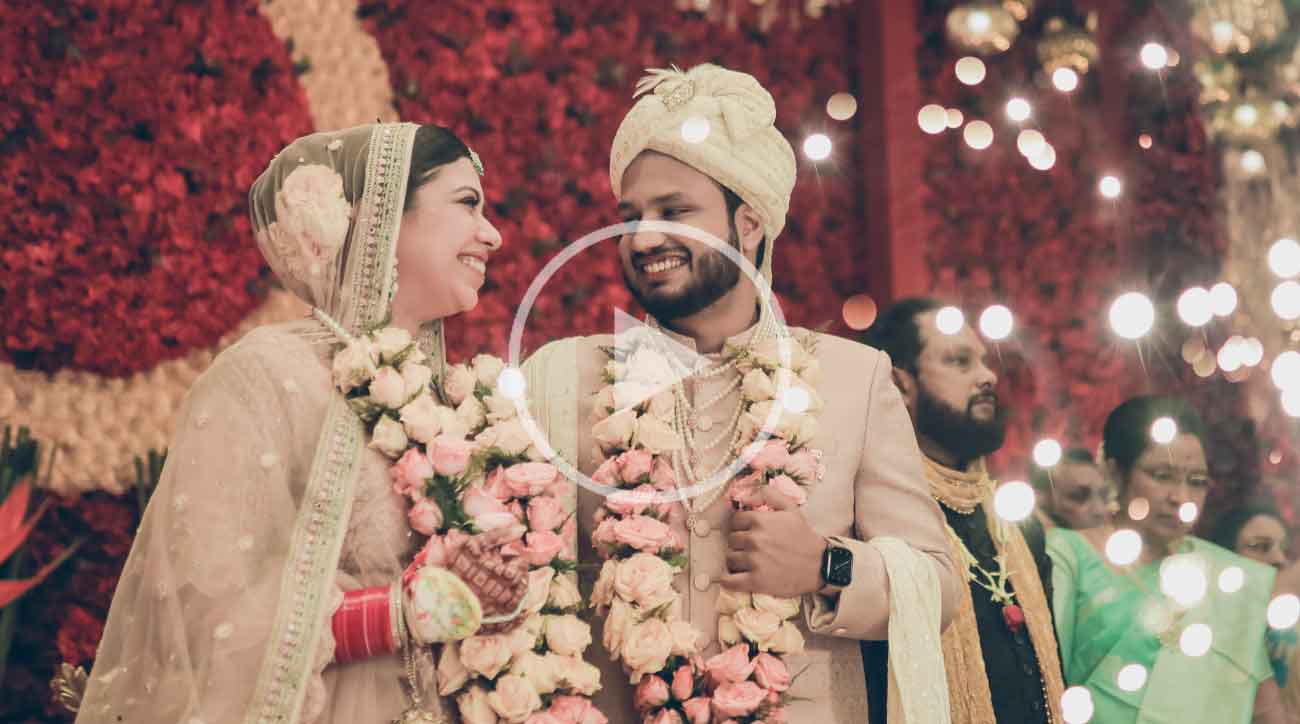
Himanish and Preeti's wedding is a perfect combination of South Indian culture, family feeling, and temple calm and happy occasions. Himanish and Preeti's wedding film is shot in the spiritual atmosphere of Uttara Guruvayurappan Temple, Mayur Vihar Phase 1, Delhi. The movie runs flawlessly through private rituals and bride scenes to family feeling and evening celebration scenes.
From start to finish, the wedding film feels like the story is more than just a compilation of wedding clips, but rather a journey of two families coming together. The film captures the slightest expressions – the bride’s expectations, the groom’s happiness, relatives preparing for ceremonies, flowers being arranged carefully, smiles between the couple and the emotions visible on the faces of their families.
Filming Himanish and Preeti’s South Indian wedding at Upasna Studio Photography was all about catching those real moments without the camera intruding.
Every wedding has its own visual language.
For Himanish and Preeti, that language is built around tradition, family and simplicity.
The opening portions of their wedding film introduce the atmosphere gradually. Guests and family members gather while preparations continue around them. Children move naturally through the celebrations, relatives interact with one another, and ceremonial items are prepared for the rituals ahead.
Rather than beginning with only dramatic portraits of the couple, the film establishes the people surrounding them. This is important because an Indian wedding is never simply about two individuals. It is about families, generations, customs and relationships.
As the ceremony progresses, we begin to see more of Preeti.
This traditional look of the bride turns out to be among the most visually dominant aspects of the film.
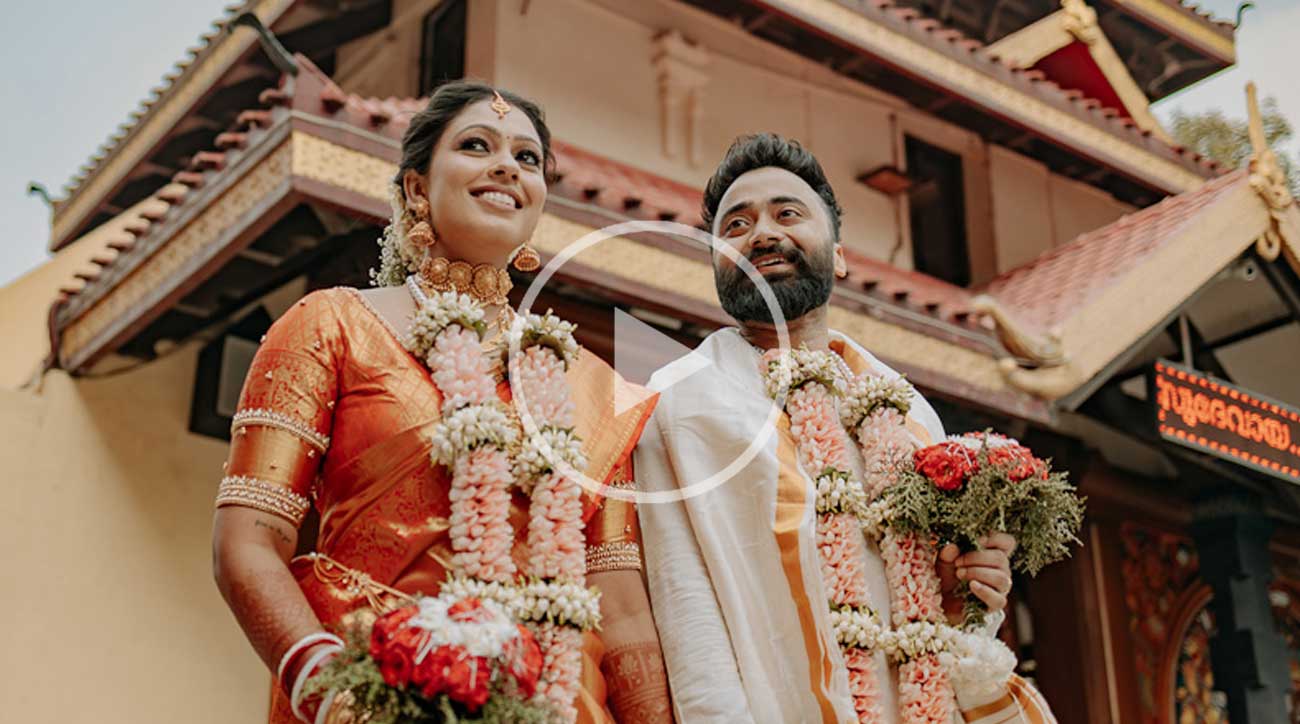
She appears in a splendid golden bridal outfit from South India and is shot wearing golden jewellery, her hair beautifully done, along with some white flowers. This look looks beautiful yet does not overshadow the emotions of that particular moment.
The camera shifts between close-ups and environmental shots, linking the bride to the wedding happening around her.
Preeti preparing for the ceremonies and then participating in them is one of the most beautiful sequences in the wedding film.
Traditional South Indian bridal styling has a fantastic visual character.
The gold jewellery, flowers, fabric, bridal makeup and ceremonial details offer multiple layers for wedding photography and cinematography. Instead of simply viewing these details as props, we incorporate the wedding’s cultural identity into our filmmaking.
Preeti's jewellery is captured well in close-up shots with the available lighting.
She has worn flowers in her hair, and she has worn her wedding dress, which brings orange and gold colours into the wedding video.
But some of the most memorable frames have nothing to do with jewellery or clothes.
They’re about her faces.”
A smile surrounded by family.
Quiet look before a ceremony.
A laugh. Genuine.
A time when someone changes something for her.
This is often what makes them more valuable in the long run, because such photos serve to remind the bride of both her appearance on that special day and the feeling of the day.
Himanish's presence introduces another energy into the film.
His traditional attire complements the South Indian aesthetic of the wedding, while his relaxed expressions create several natural opportunities for candid cinematography.
As Himanish moves through the temple surroundings with relatives and friends, the film incorporates movement rather than relying exclusively on posed shots.
We see the groom walking, smiling, interacting and participating in ceremonies.
Later, Himanish and Preeti appear together in some of the film's strongest couple frames.
There is no need for exaggerated posing.
A glance between them, a small smile or simply walking together provides enough emotion to create meaningful imagery.
This is an important part of the Upasna Studio Photography wedding filmmaking style: direction is provided when necessary, but authentic interactions are given space to happen naturally.
The temple setting gives this wedding its distinctive identity.
Uttara Guruvayurappan Temple provides a spiritual environment that is very different from a ballroom or conventional banquet wedding.
Here, architecture, religious customs, flowers, traditional clothing and family rituals become part of the visual storytelling.
The wedding film moves through the temple surroundings and nearby spaces, allowing the location to become part of Himanish and Preeti's story rather than simply serving as a background.
The traditional atmosphere also influences how the ceremony needs to be photographed.
During important rituals, our priority is to document what is actually happening without unnecessarily interrupting the ceremony.
That means anticipating moments rather than recreating them afterward.
A photographer may have only seconds to capture a particular expression, gesture or interaction.
Wedding cinematography works in much the same way. The movement of the couple, reactions from parents and relatives, ceremonial details and atmosphere all need to be recorded simultaneously so that the final film feels complete.
The ceremony sequences bring together the strongest cultural elements of Himanish and Preeti's wedding.
Floral garlands feature prominently.
Family members gather around the couple.
Traditional items are carried and arranged.
Relatives help the bride and groom as different moments of the ceremony unfold.
Rather than isolating Himanish and Preeti from their surroundings, the film intentionally includes the people participating in these rituals.
This creates context.
In years to come, a parent standing by the side of the bride, a relative with a smile behind or even family members participating in a ritual can mean as much as the actual ceremony.
This is because the wedding video takes turns in the three points of view: The couple, the ritual, and the reactions surrounding them.
The result of this combination is a more vivid memory.
Once Himanish and Preeti appear together, their chemistry becomes central to the storytelling.
The couple is photographed both within the wedding environment and around the exterior architectural spaces.
The red-toned building surfaces, open sky and natural daylight provide a striking contrast with their traditional clothing.
Some sequences show them walking together.
Others focus closely on their faces.
At one point, Preeti affectionately interacts with Himanish while the camera remains close enough to capture the expression but far enough away for the moment to feel natural.
These small interactions give a wedding film personality.
Perfect posture and elaborate poses can create impressive photographs, but genuine relationships are often communicated through much smaller gestures.
That philosophy guides our approach to candid South Indian wedding photography and cinematography.
As the film progresses, the emotional tone changes.
The energy of preparations and ceremonies gradually gives way to quieter family moments.
Preeti is surrounded by women from her family. Conversations take place. People embrace. Expressions become noticeably more emotional.
These sequences demonstrate why wedding filmmaking cannot focus only on decoration and portraits.
Weddings are transitions.
For parents, siblings and relatives, they can carry years of memories into a single day.
A wedding filmmaker therefore needs to recognise emotional situations before they fully develop.
The camera cannot always arrive after the hug or after the tear.
It has to anticipate it.
In Himanish and Preeti's film, these emotional interactions create a beautiful contrast with the celebratory sequences that follow.
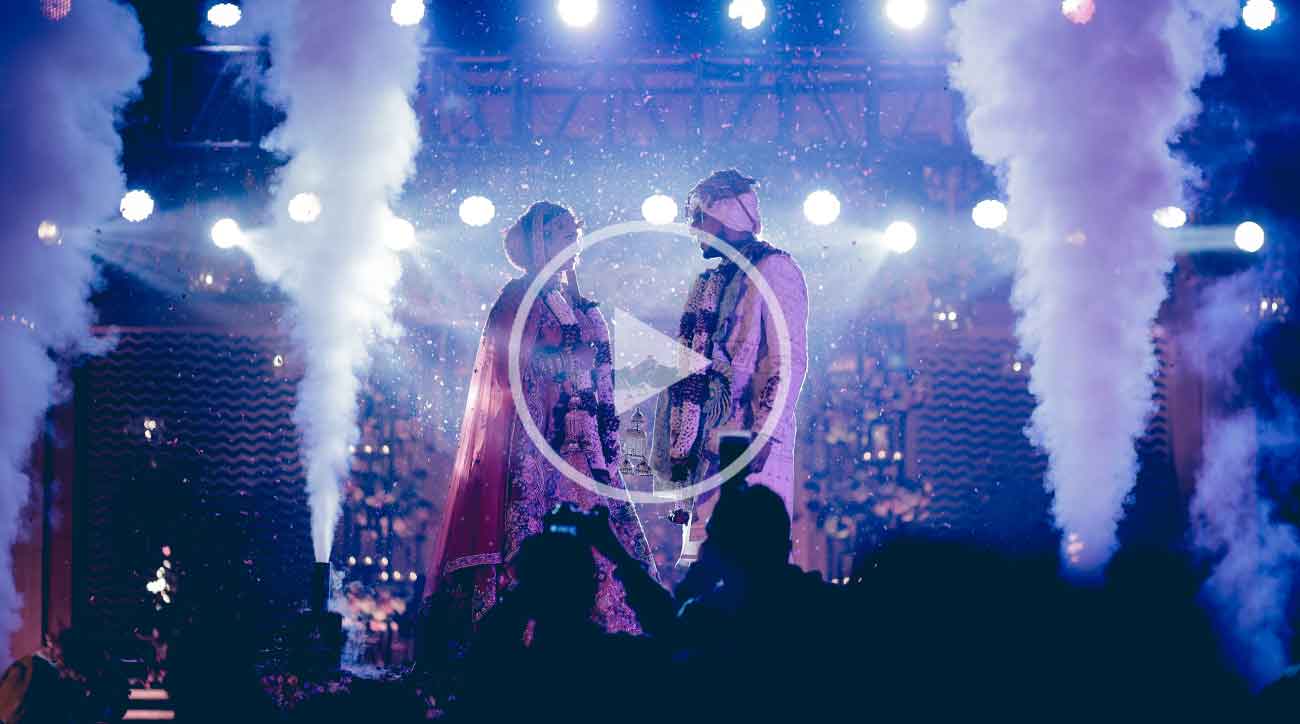
The wedding film later transitions from the temple-centred daytime story into a more contemporary evening celebration.
The visual atmosphere changes noticeably.
Traditional daylight gives way to decorative lighting.
Guests arrive in evening attire.
Floral installations, illuminated décor and carefully designed event spaces introduce a more glamorous aesthetic.
This transition gives the film cinematic variety while showing another side of the couple's wedding celebrations.
Himanish appears in formal evening wear, while Preeti's styling also changes for the celebration.
They will be surrounded by friends and family members who make the event more relaxed and create an aura of a reception party.
Decorative flowers, signs and the location of the setting are added to the shot, which helps in understanding the setting before we go back to the people.
The evening section becomes increasingly lively.
Guests gather around the couple.
There are interactions between friends, family conversations and moments that appear to involve speeches or addresses to the gathering.
Rather than photographing only whoever is speaking, our cameras also look for reactions.
Someone laughing during a speech can sometimes make a better memory than the speech itself.
A parent's expression, a friend's smile or the couple quietly reacting to something being said gives the sequence emotional depth.
These reaction shots are especially important when editing a cinematic wedding film because they connect individual scenes into a story.
The result feels less like event documentation and more like reliving the celebration.
Wedding cinematography is sometimes mistaken for simply recording an event with expensive cameras.
The real work is storytelling.
A meaningful film needs establishing shots, close details, movement, emotion, reactions, transitions and visual rhythm.
Most importantly, it needs moments that cannot be repeated.
Our approach at Upasna Studio Photography is to combine documentary observation with cinematic composition.
During rituals, we allow traditions to unfold.
During couple portraits, we can provide gentle direction.
In emotionally charged family situations, we try our best not to interfere.
Or in parties, we just go along with the mood and people rather than planning out each shot beforehand.
The movie by Himanish and Preeti tells us why this is so important.
They have great shots of bride and couple, but it’s the unplanned moments between these shots that make the movie special.
There is nothing like the visual appeal of South Indian weddings.
From the traditional attire to the temple structure, from flowers to gold jewellery, there are endless possibilities to capture the moments.
But timing is just as important for understanding.
When to shift focus from the ritual to the couple and from the couple to their families is something a photographer needs to know.
This is especially important for temple weddings where the ceremonies may be taking place on a continuous basis and there is no liberty for the photographers to interrupt proceedings.
Always aim to document respectfully.
We want couples to remember their wedding, not to have to spend the entire ceremony following the commands of a photography crew.
What makes this film memorable is its contrast.
There is tradition and contemporary celebration.
There are carefully composed portraits and completely spontaneous expressions.
There is laughter and emotion.
There are intimate family interactions alongside wider celebratory scenes.
And through it all, Himanish and Preeti stand at the heart of the narrative.
The wedding video is not made merely to depict how the place looked or what people were wearing.
It preserves relationships.
That is ultimately what wedding photography should accomplish.
Décor changes.
Fashion changes.
Photography trends change.
But seeing the expressions of the people who celebrated beside you remains meaningful for decades.
For couples planning a South Indian wedding in Delhi NCR, our team provides photography and cinematography designed around the actual character of the celebration.
Coverage can include bridal preparation, groom portraits, family interactions, temple ceremonies, candid photography, traditional rituals, couple portraits, cinematic wedding films, reception coverage and wedding albums.
Every wedding is approached individually.
We study the venue, schedule, ceremonies and couple's preferences before deciding how the story should be photographed.
For a temple wedding such as Himanish and Preeti's, preserving cultural authenticity is especially important.
The final objective is simple:
Create photographs and films that allow the couple to experience their wedding again—not merely see what happened.
This is more than just having an event. It's about celebrating family, tradition, relationships and one-time events. Upasna Studio Photography believes in capturing any real expression exactly as it occurred.
We shoot candid photography, documentary and cinematic wedding films on your wedding day, covering rituals in the temple, pre-wedding bridal preparation, family interactions, candid fun times and couple photography.
We cover South Indian weddings in Delhi, including Mayur Vihar, Noida, Ghaziabad, Gurugram, and any part of Delhi NCR. Tell us about your rituals, wedding timetable and theme for your perfect wedding photography experience.
Whether it’s a traditional wedding at a temple venue like Uttara Guruvayurappan Temple, a hotel wedding, or a destination wedding, we ensure that your wedding photographs and videos beautifully capture all your emotions.
Give your future generations a legacy of your wedding photography.
Getting married? Contact us to talk about your wedding date and plans.
Reserve Your Wedding Date | Book a Consultation | Send Us a WhatsApp Inquiry
.webp)